Inflation Hits a 3-Year High, Oil Spikes, and Markets Are on Edge — Here's What It Means for You
Inflation just hit a 3-year high, oil spiked past $90 on U.S.-Iran strikes, and markets are rattled. Here's what it all means in plain English.

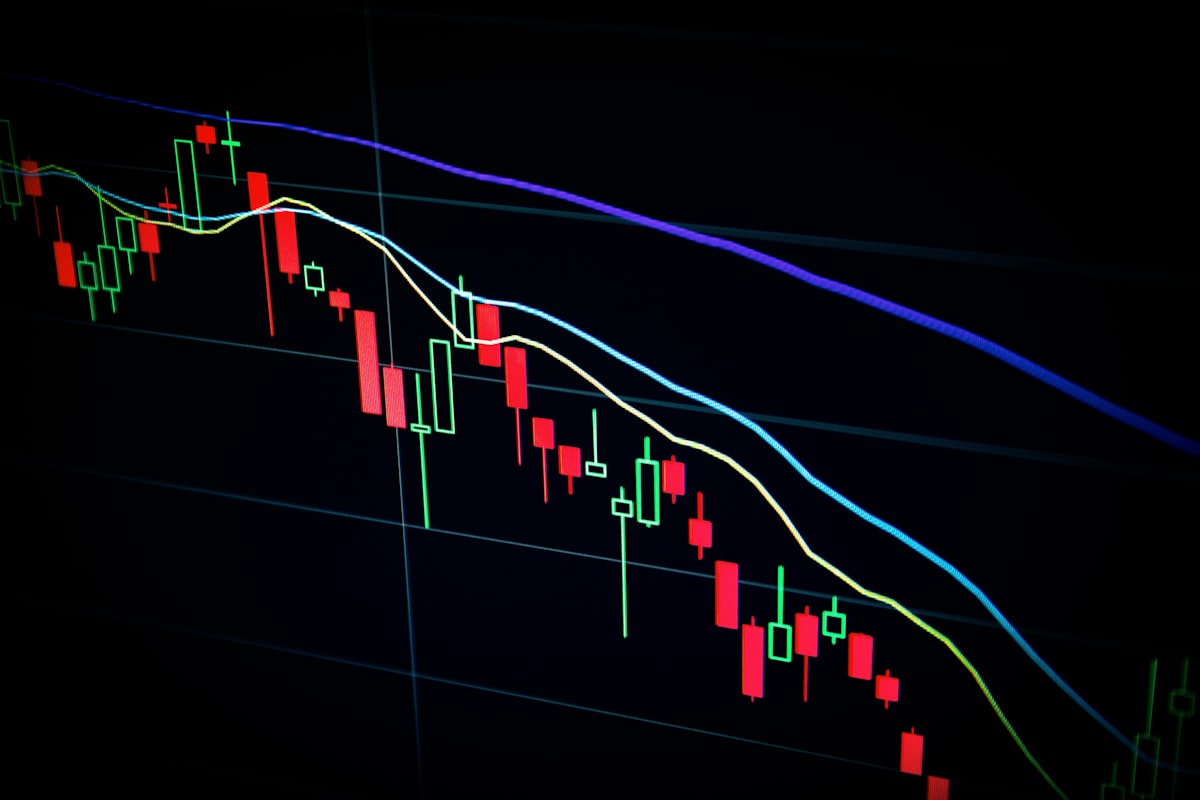
A lot is happening in markets right now, and most of it points in the same direction: things are getting more expensive, more uncertain, and more volatile. Let's break it down.
Inflation Is Back — and It's Getting Worse
New data out this week shows U.S. inflation has climbed to its highest level in three years. Inflation, simply put, is the rate at which prices rise over time. When it goes up, your dollar buys less — at the grocery store, at the gas pump, everywhere. And according to economists, this may not be the peak. It could get worse before it gets better.
At the same time, consumer spending looks strong on paper — but here's the catch. A big chunk of that spending increase is just because things cost more. Americans aren't necessarily buying more stuff. They're paying more for the same stuff. That's not a healthy economy flexing; that's a squeeze.
Oil Just Jumped Back Above $90
Fresh U.S.-Iran military strikes have pushed oil prices back above $90 a barrel. Why does that matter to you as an investor? Oil prices ripple through everything — transportation, manufacturing, food production. When oil spikes, it often makes inflation worse and squeezes corporate profit margins. And right now, it's also casting doubt on a fragile peace deal and raising questions about access to the Strait of Hormuz — one of the world's most critical shipping lanes. More uncertainty equals more market jitters.
The "Debasement Trade" Is Losing Steam
A JPMorgan strategist noted this week that investors are backing away from the so-called "debasement trade" — the idea of buying gold, Bitcoin, and real assets to protect against a weakening dollar. When big institutional investors shift their positioning like this, it can signal a broader change in market mood. It's worth watching.
Semiconductors: Bubble or Supercycle?
Meanwhile, chip stocks are back in the conversation. Ned Davis Research says there's a legitimate case that semiconductors — the chips that power everything from your phone to AI data centers — could be entering a "supercycle," meaning a long, sustained period of high demand. Yes, some argue it looks like a bubble (when prices rise far beyond what fundamentals justify). But others say the structural demand for chips is just getting started. Either way, this sector is a wildcard that could swing hard in either direction.
What This All Means for Traders Right Now
Put it together and you've got a market under real pressure: stubborn inflation, an oil shock, geopolitical risk, and a nervous macro backdrop. That's a recipe for choppy, fast-moving price action — the kind that rewards traders who have a clear plan and punishes those who are just guessing.
Two StratBeacon strategies are built exactly for conditions like this:
- Volatility Scalping on TQQQ: This strategy automatically buys when tech prices dip and sells when they bounce, using 88 preset price levels — so it's working the chop without you having to stare at a screen all day. In a market swinging on every headline, that kind of systematic approach cuts through the noise.
- SPX 0DTE (Zero Days to Expiration) Options: These are daily options trades on the S&P 500 index. In calm stretches, they generate steady income. When the market makes a sharp move — like the kind oil shocks and inflation surprises tend to cause — they're designed to ride that trend too. It's a flexible strategy for an unpredictable market.
The Bottom Line
You don't have to have all the answers to act smart in a market like this. You just need a strategy that's already thought it through. The news is noisy, but the setups are clear — if you know where to look.
StratBeacon shows you exactly when setups like this appear — free to try at stratbeacon.com.
Risk disclaimer: Trading involves substantial risk of loss. Past performance of any strategy is not indicative of future results. Only trade with capital you can afford to lose.